
Feeding abandoned animals
The goal is to create a consistent routine of fundamental care—providing food, monitoring, observing the animals' well-being, and offering further assistance as needed.
How the activity is performed
How the activity looks in practice
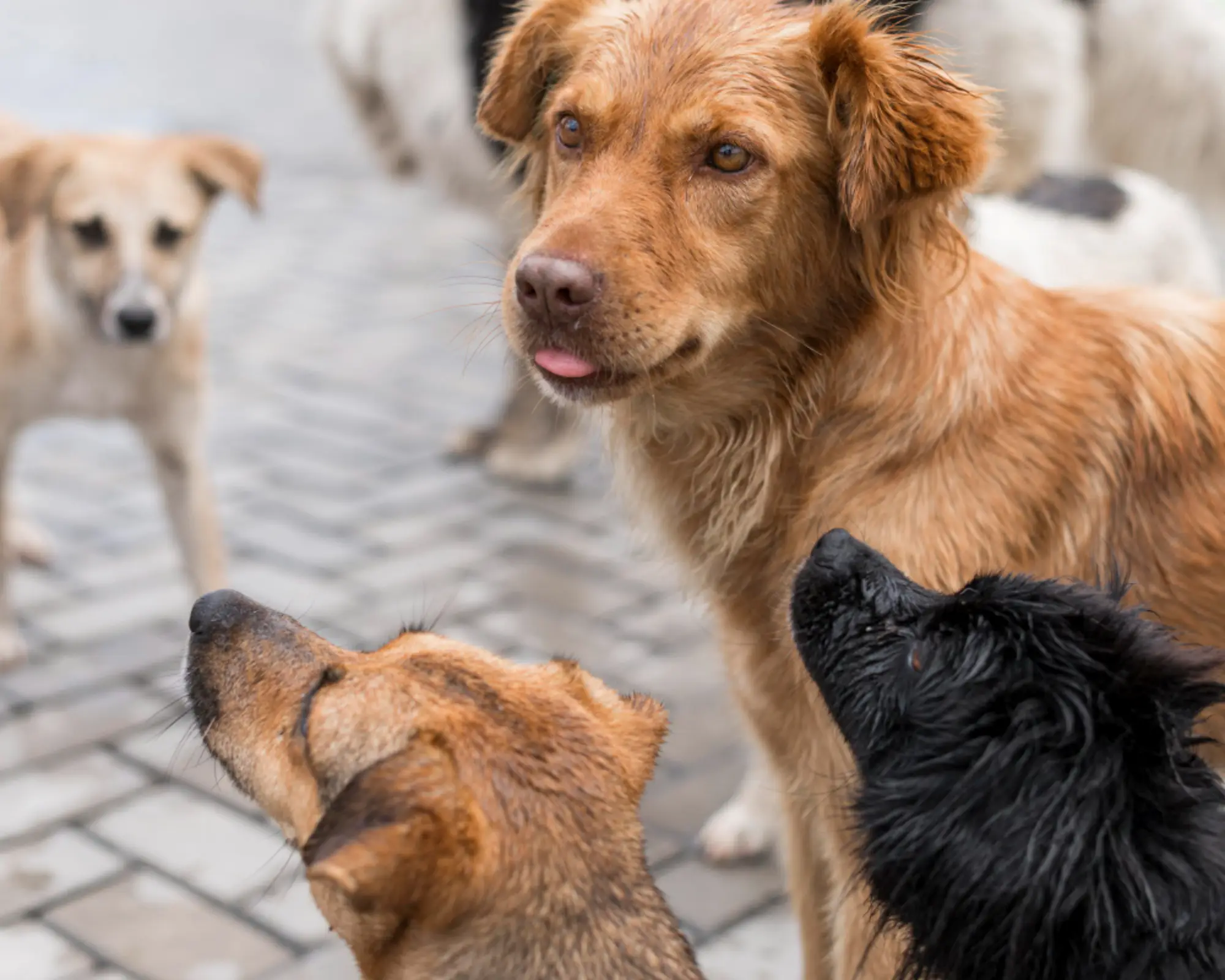
The activity currently operates through 4 to 6 permanent feeding stations across Tel Aviv. At these locations, daily feeding is provided to dozens of animals, allowing for familiarity with the area, identification of the regular animals, and a better understanding of the needs on the ground.
Every day, the activity includes:
Arrival at permanent feeding stations.
Distribution of food for cats and dogs.
Basic monitoring of the animals’ condition.
Identification of situations where further assistance is required.
Where the donation goes
What the donations fund
Donations are dedicated to the continuation and expansion of our operations, supporting, among other things:
01. Feeding street cats
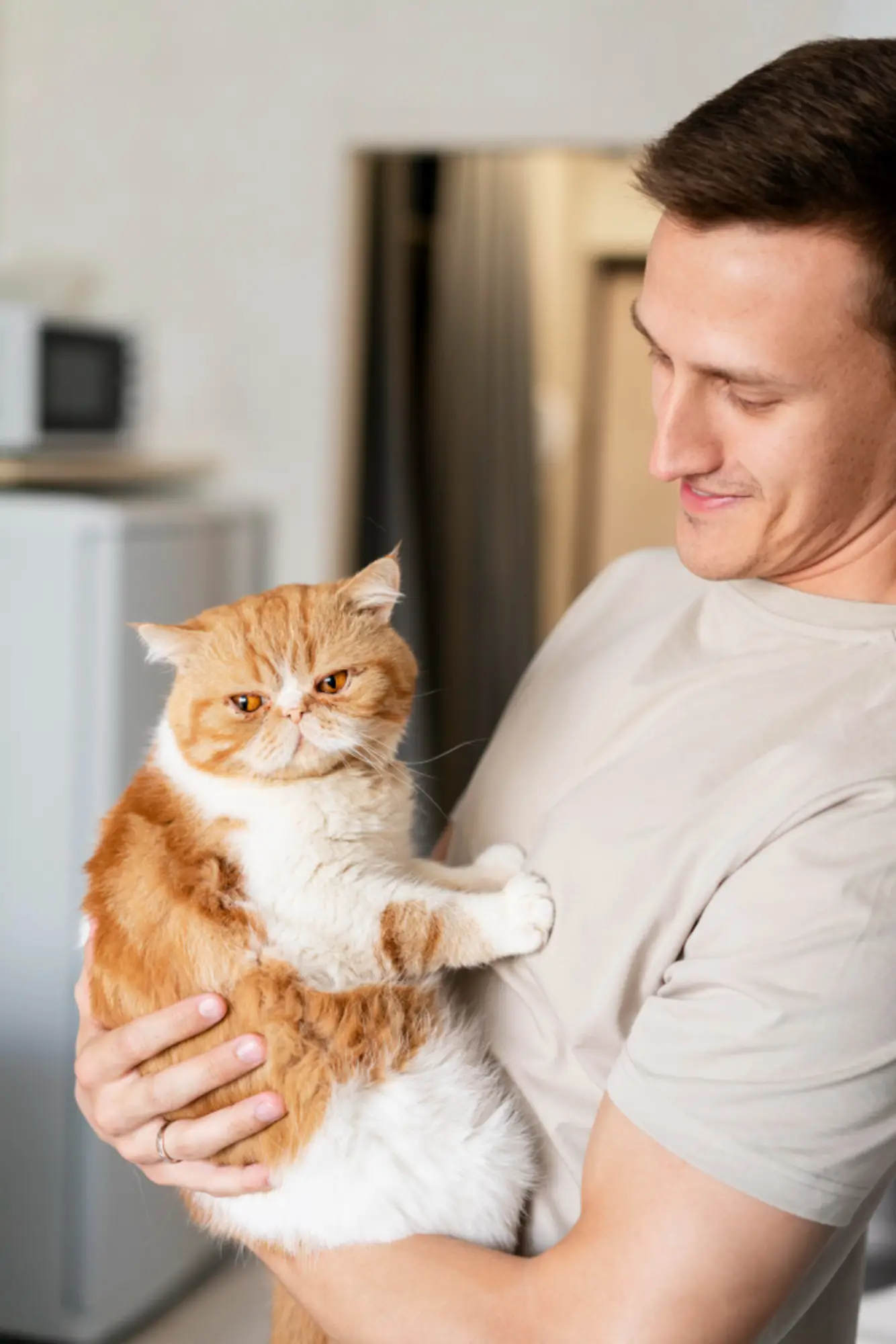
Street cats live within a complex urban environment, and often lack a consistent, safe, and organized food source. Continuous feeding helps them cope with street conditions and allows for familiarity with the regular groups and areas where they are located.
Beyond the food itself, organized feeding also creates:
Stability.
Reduced competition for food.
The ability to monitor the cats’ condition.
A foundation for integrating additional solutions when required.
02. Assisting street dogs
Alongside the cats, the activity also provides a solution for abandoned dogs. Here, too, it is not only about providing food, but also about a consistent presence, familiarity with the area, and the ability to respond when a more urgent need arises. Care for street dogs is an integral part of the overall activity, based on a broad vision of responsibility for animals living without a supporting framework.
03. Medical treatments, spaying, and neutering
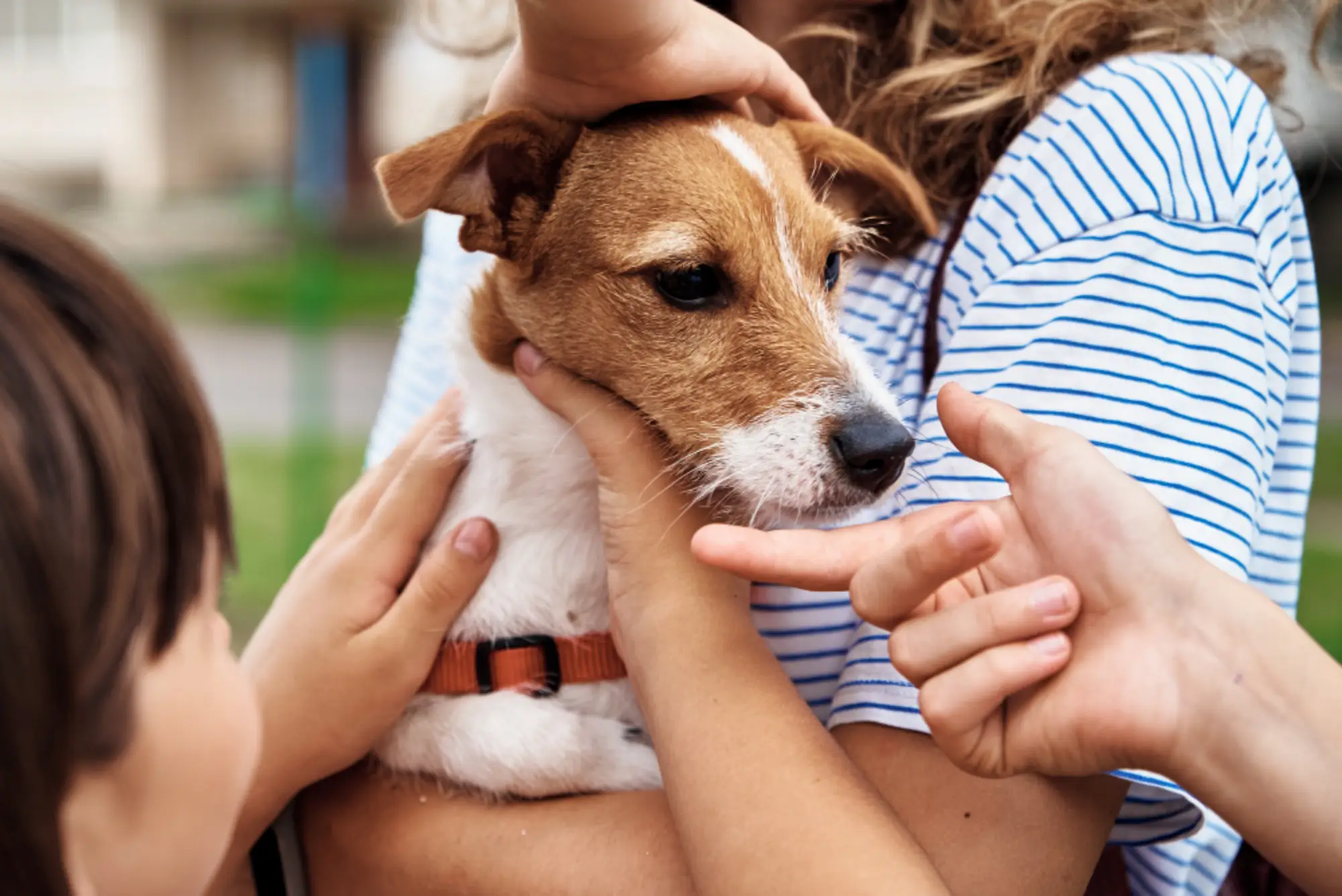
Over the years, and in various cases, Shuka has also assisted in funding medical treatments for animals, including spaying and neutering. The ability to provide such a response naturally depends on resources, which is why supporting this activity is vital in this context as well—not only for ongoing food but also for situations where additional care is required.

Expansion of activity
Where the activity can develop
The goal for the next stage is not only to preserve what already exists, but also to expand it in an organized manner.
Such expansion may include:
Strengthening existing feeding points.
Opening additional feeding points.
Collaborations with volunteers.
Joint work with veterinarians.
Building an organized, long-term framework.

Join us in our mission to save the animals!
